Diabetes is a condition in which blood sugar (glucose) stays persistently high. The most common form is type 2 diabetes, which begins with insulin resistance. It may cause no symptoms for a long time, so people at risk should have regular tests.
Symptoms
- Drinking a lot, passing urine often
- Unexplained weight loss or constant hunger
- Tiredness, blurred vision
- Slow-healing wounds, frequent infections
Diagnosis
Fasting blood sugar, the glucose tolerance test (OGTT) and HbA1c, which reflects the average of the last 2–3 months, are used. Borderline values are called "prediabetes"; at this stage lifestyle changes can often prevent diabetes.
Treatment and follow-up
- Diet, regular exercise and weight control are the basis of treatment.
- If needed, tablets and/or insulin are started; some modern medicines also protect the heart and kidneys.
- HbA1c is usually checked every 3–6 months; the target is set individually.
- At least once a year: an eye (retina) check, a kidney check (protein in urine) and a foot examination.
It is important to recognise the signs of very high or very low blood sugar (extreme thirst, confusion; sweating, shaking, palpitations) and know what to do.
This article is for general information. Please see a doctor about your symptoms; in an emergency call 112.
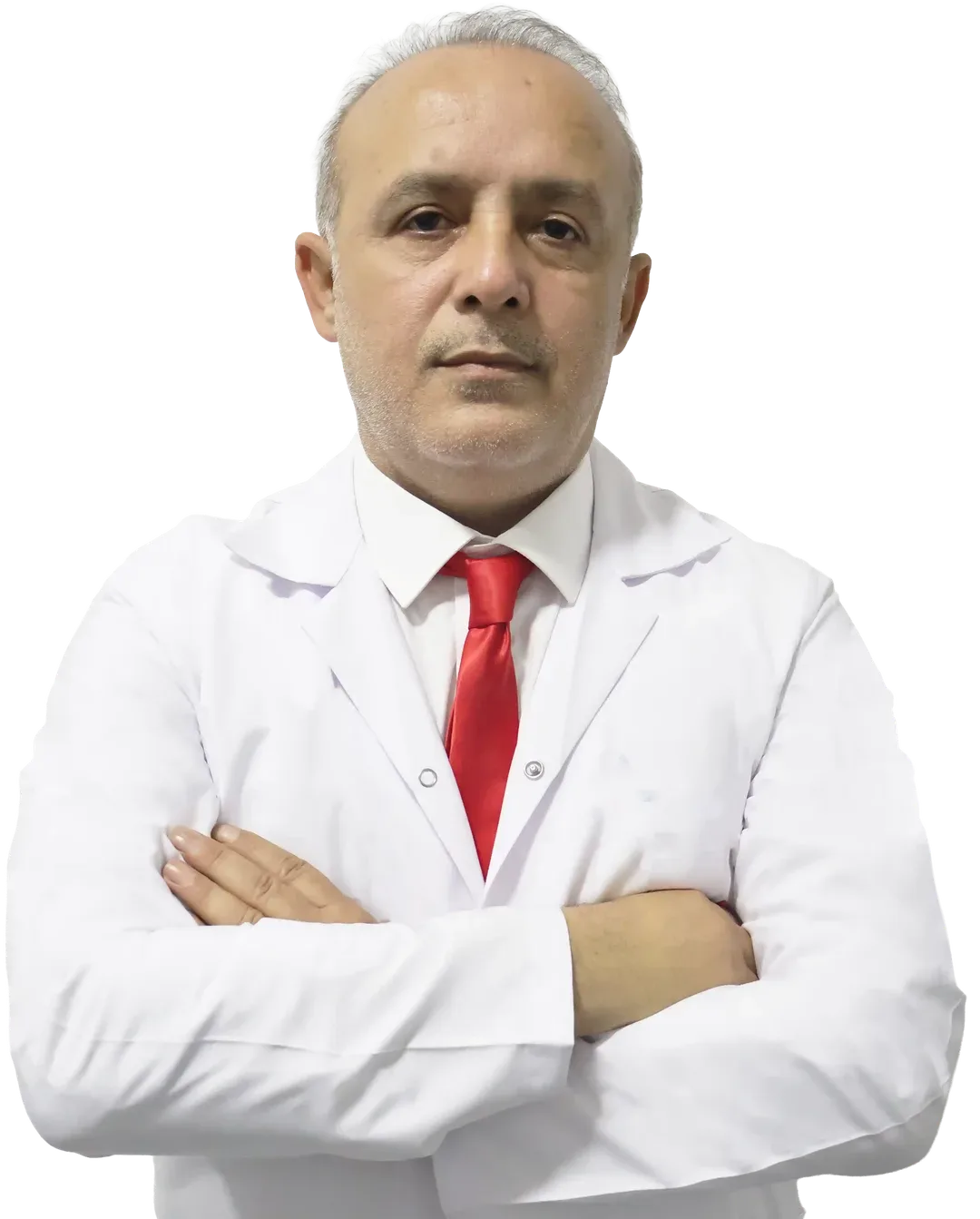
Dr. Sefa KıztanırInternal Medicine Specialist · A-Life and Natomed