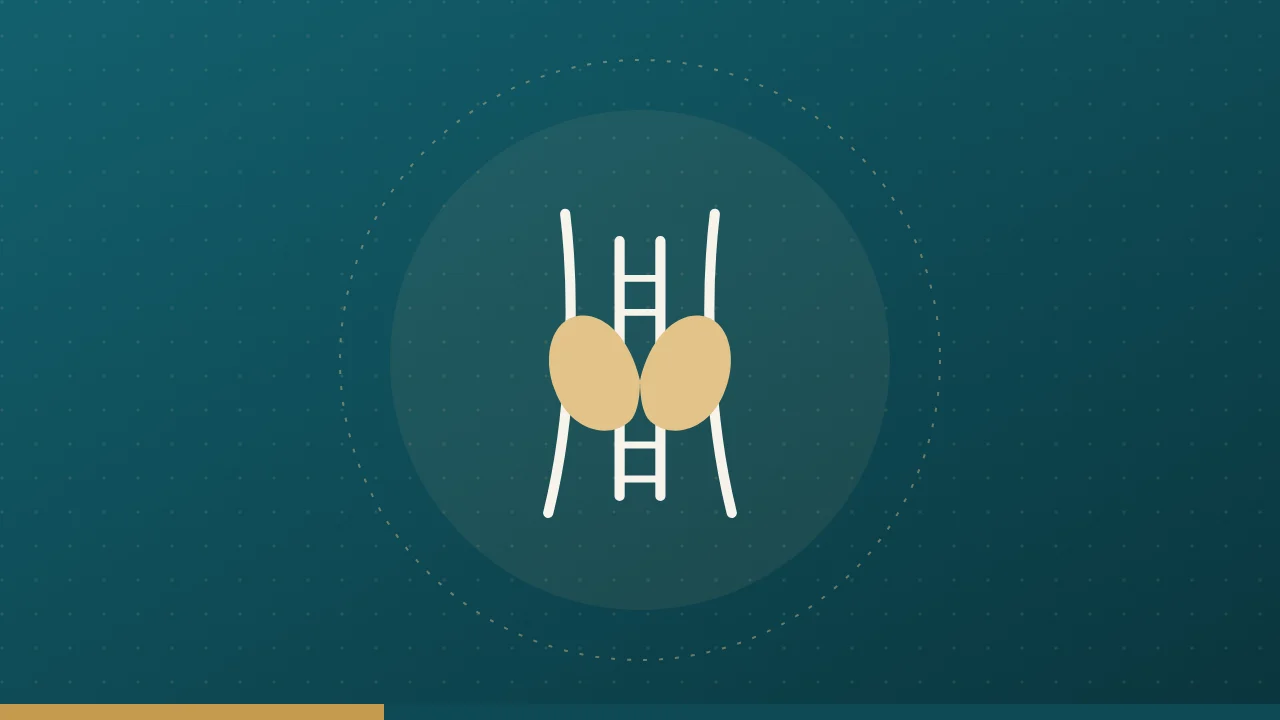
The thyroid is a gland at the front of the neck that produces hormones controlling metabolism. Too little or too much hormone affects many body systems.
Underactive thyroid (hypothyroidism)
It can cause tiredness, feeling cold, weight gain, constipation, dry skin, hair loss and poor concentration. The most common cause is Hashimoto's thyroiditis. Treatment replaces the missing hormone with a tablet, taken regularly on an empty stomach in the morning.
Overactive thyroid (hyperthyroidism)
Palpitations, shaky hands, sweating, heat intolerance, weight loss, poor sleep and irritability may occur. Graves' disease and "hot" nodules are common causes. Options include medicines, radioactive iodine and surgery.
Nodules and goitre
Thyroid nodules are very common and most are benign. Ultrasound assesses their size and features; suspicious ones are sampled with a fine-needle biopsy. Goitre means an enlarged thyroid.
Diagnosis and follow-up
Hormone tests, mainly TSH and free T4, thyroid antibodies if needed, and thyroid ultrasound are used. Patients on treatment have their hormone levels checked regularly. Women planning pregnancy should have their thyroid levels optimised beforehand.